









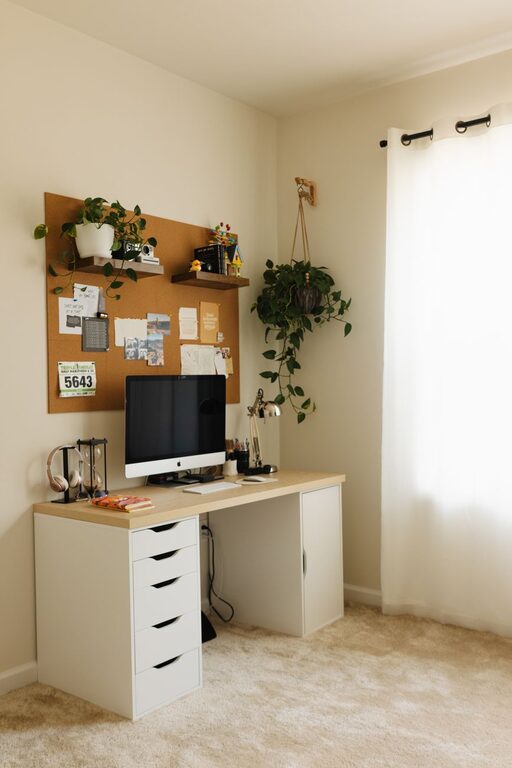
Working from home has become a common part of many people’s professional lives. Whether you are remote full-time or occasionally work from home, having a dedicated and productive workspace is essential. A well-designed home office can help you focus, reduce distractions, and maintain a healthy work-life balance. In this post, we’ll explore practical tips to create a home workspace that supports your productivity and well-being.
Choose the Right Location
Finding the perfect spot in your home for your workspace is the first step toward productivity. Ideally, select a quiet area with minimal foot traffic and distractions. This can be a separate room, a corner of your living room, or even a nook in your bedroom.
– Privacy matters: A private space makes it easier to concentrate, especially during meetings or deep work sessions.
– Natural light: Whenever possible, pick a location near a window. Natural light can improve mood and reduce eye strain.
– Consider noise levels: Avoid areas close to loud appliances or noisy streets. Using noise-canceling headphones can also help if you can’t control the environment fully.
Invest in Ergonomic Furniture
Comfort is key to maintaining productivity and avoiding physical strain. An ergonomic setup supports good posture and reduces the risk of discomfort or injury.
– Ergonomic chair: Choose a chair with adjustable height, lumbar support, and comfortable cushioning.
– Desk height: Your desk should suit your height so your arms rest comfortably at about a 90-degree angle while typing.
– Monitor placement: Position your screen at eye level about an arm’s length away to prevent neck and eye strain.
– Consider a standing desk: Alternating between sitting and standing can improve circulation and energy levels throughout the day.
Organize and Declutter
A tidy workspace helps clear your mind and makes it easier to focus on tasks.
– Keep essentials close: Store frequently used items like pens, notebooks, and chargers within reach.
– Use storage solutions: Shelves, drawers, and organizers can keep papers and supplies neat and out of sight.
– Declutter regularly: Make it a habit to clear your desk at the end of each day to start fresh the next morning.
Manage Lighting and Screen Glare
Proper lighting reduces eye strain and keeps you alert.
– Combine natural and artificial light: Use overhead lights plus desk lamps to brighten your space.
– Avoid glare: Position your monitor perpendicular to windows or use blinds to control sunlight.
– Adjust brightness: Set your screen brightness to match your surroundings to avoid harsh contrasts.
Set Boundaries and Routine
Creating a productive workspace also means setting clear boundaries to separate work from personal life.
– Define work hours: Stick to a regular schedule to maintain balance and structure.
– Communicate boundaries: Let family or housemates know your work hours and workspace needs.
– Take breaks: Schedule short breaks to stretch, walk, or rest your eyes to stay refreshed.
Personalize Your Space
Adding a few personal touches can make your workspace inviting and boost motivation.
– Add greenery: Plants improve air quality and create a calming atmosphere.
– Use colors wisely: Choose colors that stimulate focus, like blues or greens, or soothing neutrals.
– Display inspiring items: Photos, artwork, or motivational quotes can help keep you motivated.
Equip Your Workspace with the Right Tools
Having the necessary tools and technology helps keep your workflow smooth.
– Reliable internet: Ensure your connection is stable and fast enough for video calls and file sharing.
– Quality peripherals: Invest in a good keyboard, mouse, and headset.
– Cable management: Use clips or sleeves to keep cables organized and out of the way.
Maintain Good Air Quality and Comfort
Your workspace environment impacts your health and productivity.
– Ventilation: Keep windows open or use an air purifier to ensure fresh air circulation.
– Temperature control: Maintain a comfortable room temperature with fans, heaters, or air conditioning.
– Hydration: Keep water nearby to stay hydrated throughout the day.
—
Creating a productive home workspace takes some planning, but the benefits are well worth it. By choosing the right location, investing in ergonomic furniture, organizing effectively, and setting clear boundaries, you can create a space that helps you focus and feel comfortable throughout your workday. Remember, even small improvements can make a big difference when working from home. Start with a few of these tips and adjust your setup as you find what works best for you.