









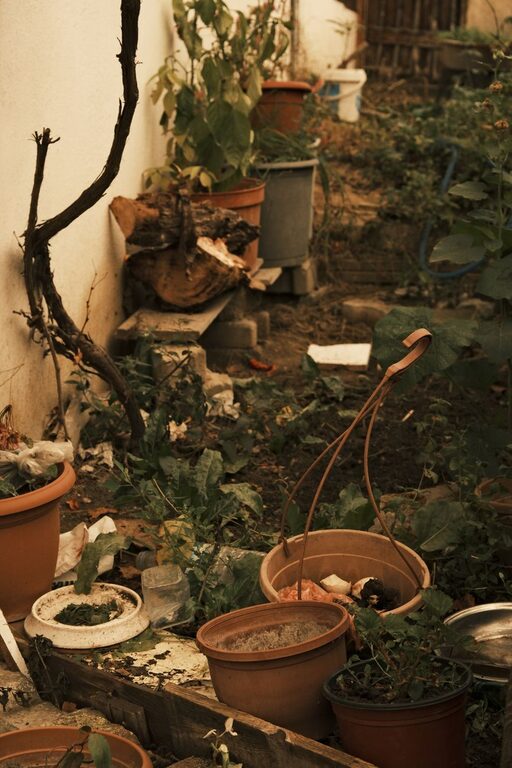
Creating a sustainable home garden that thrives year-round is a rewarding way to enjoy fresh produce, beautiful plants, and a greener lifestyle. With thoughtful planning and some simple practices, you can build a garden that not only flourishes through all seasons but also supports the environment. Here are practical tips to help you get started.
Understanding Sustainable Gardening
Sustainable gardening focuses on practices that maintain healthy soil, conserve water, reduce waste, and encourage biodiversity. It means gardening in a way that is good for the Earth, your community, and your garden’s long-term health.
Benefits of Sustainable Gardening
– Conserves natural resources like water and soil
– Supports local wildlife and pollinators
– Reduces the need for chemical fertilizers and pesticides
– Helps save money by reducing gardening inputs
– Produces healthy, chemical-free food
Planning Your Garden for Year-Round Success
Choose the Right Location
Start by selecting a spot that gets adequate sunlight. Most vegetables and flowers need at least 6 to 8 hours of direct sunlight daily. Consider how the sun moves through your yard in different seasons and choose a location with good natural light year-round.
Select Plants Suitable for Your Climate
Pick plants that thrive in your local climate zone. Native plants and seasonal crops will typically do better with less maintenance and fewer resources. Consult local gardening centers or extension programs to find varieties that perform well in your area.
Plan for Seasonal Rotation
Rotate plants according to the season to use your garden space efficiently and keep the soil healthy. For example, after harvesting summer crops, plant cool-season vegetables like lettuce or spinach in the fall.
Building Healthy Soil Naturally
Good soil is the foundation of a thriving garden.
Use Compost and Organic Matter
Incorporate compost into your soil to improve fertility and structure. Compost adds beneficial microorganisms and nutrients that help plants grow strong. You can make your own compost using kitchen scraps, leaves, and garden waste.
Mulch to Retain Moisture and Suppress Weeds
Apply a layer of mulch around plants to keep the soil moist, reduce erosion, and prevent weed growth. Organic mulches like straw, wood chips, and shredded leaves also break down and enrich the soil.
Avoid Synthetic Chemicals
Choose natural alternatives to chemical fertilizers and pesticides whenever possible. Beneficial insects, companion planting, and organic pest controls protect your plants without harming beneficial wildlife or polluting the environment.
Water Wisely
Conserving water is essential in sustainable gardening.
Collect Rainwater
Set up rain barrels to capture runoff from your roof. This free, natural water source is excellent for watering your garden.
Water Early or Late
Water your plants early in the morning or late in the evening to reduce evaporation and improve absorption.
Use Drip Irrigation or Soaker Hoses
These methods deliver water directly to the plant roots, conserving water and minimizing waste.
Encourage Biodiversity
A diverse garden is more resilient and beneficial for the local ecosystem.
Plant a Variety of Flowers and Vegetables
Diversity attracts a range of pollinators and beneficial insects that help control pests naturally.
Provide Habitat for Wildlife
Add bird feeders, insect hotels, or small water features to encourage wildlife that supports your garden’s health.
Practice Companion Planting
Some plants grow better together and can protect each other from pests or improve growth. For example, planting basil near tomatoes can enhance flavor and deter insects.
Extend Your Growing Season
To enjoy fresh plants year-round, consider these strategies:
Use Raised Beds and Containers
Raised beds warm up faster in spring and can be covered easily to protect plants from frost.
Add Row Covers and Cold Frames
These simple structures shield plants from chilly weather and pests, extending your growing season into the cooler months.
Plant Perennials and Evergreen Herbs
Perennials like rosemary, thyme, and certain berries can provide harvests year after year with less replanting.
Maintain Your Garden Sustainably
Regularly Monitor Plant Health
Check your plants often for signs of disease or pests, and address issues promptly with natural methods.
Practice Crop Rotation
Rotate crops to prevent soil depletion and reduce pest build-up.
Harvest Responsibly
Harvest vegetables and herbs at their peak to encourage continued growth and avoid waste.
Conclusion
Creating a sustainable home garden isn’t just about growing plants—it’s about working with nature to create a thriving ecosystem that benefits you and the environment. With thoughtful planning, natural soil care, water mindfulness, and biodiversity encouragement, your garden can flourish through every season. The result is fresh produce, beautiful surroundings, and the satisfaction of nurturing your own piece of the Earth in a responsible way. Happy gardening!